


Fritillary Flower Seeds – Exotic Bell-Shaped Blooms for Butterfly-Friendly Gardens
Low stock! Only 10 left
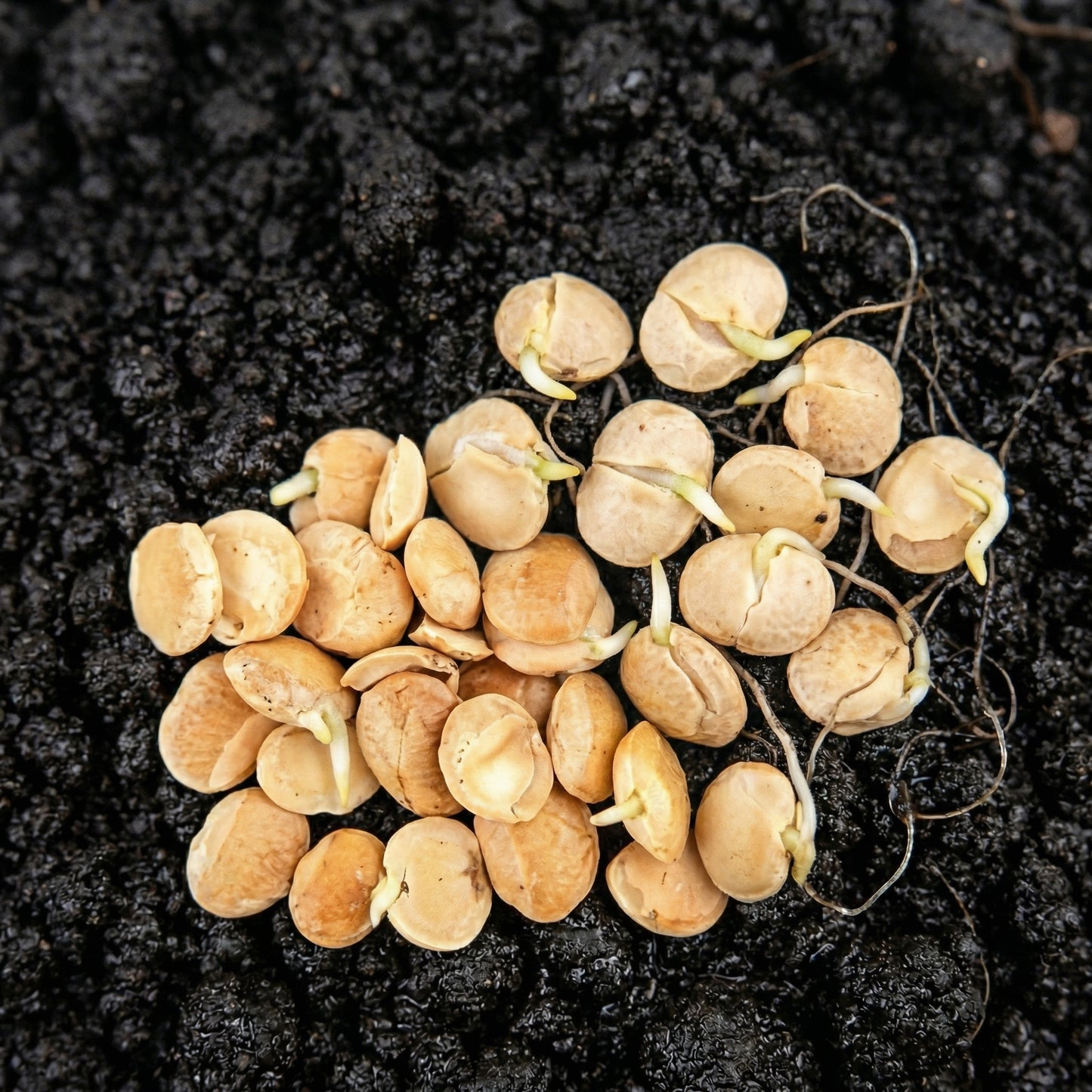
Grow unique and eye-catching blooms with Fritillary Flower Seeds, known for their elegant bell-shaped flowers and ornamental beauty. These striking plants attract butterflies and pollinators, making them perfect for vibrant outdoor gardens and wildlife-friendly landscapes. Ideal for garden beds, borders, and decorative spaces, fritillary flowers add charm and natural elegance. Easy to cultivate with proper care, they produce graceful blooms that enhance garden biodiversity while creating a colorful and lively outdoor sanctuary.
Regular price
$16.99 USD
Sale price
$16.99 USD
Regular price
Unit price
per
Shipping calculated at checkout.
Couldn't load pickup availability
Question about this product?
We're happy to help.
Sowing Method
Sowing Method
Care Instructions
Care Instructions

Planting Season
Autumn Spring

Light Requirement
Full Partial

Plant Height
30–60 cm

Indoor/Outdoor
Outdoor Plant
Planting Information
|
Life Cycle |
Perennial Plant |
|---|---|
|
Plant Characteristics |
Bell Blooms |
|
Plant Type |
Flowering Plant |
|
Flavour Profile |
Non Edible |
|
Germination Time |
21–30 Days |
|
Fruit Size |
No Fruit |
|
Soil Type |
Well Drained |
|
Soil pH |
6.0–7.5 |
|
Spacing Between Plants |
15–20 cm |
|
Watering Needs |
Moderate Water |
|
Harvest Time |
Not Applicable |
|
Bloom Season |
Spring Season |
|
Seeds per Pack |
100 |
|---|---|
|
Seed Type |
Open Pollinated |
|
Yield Potential |
Multiple Blooms |
|
GTIN |
36002328781 |


-
ACHIEVING
4.8 average rating
-
With
95% positive reviews
-
LESS THAN
3% return rate