


Reed Grass Seeds Lawn Plant for Garden Growing
Low stock! Only 10 left
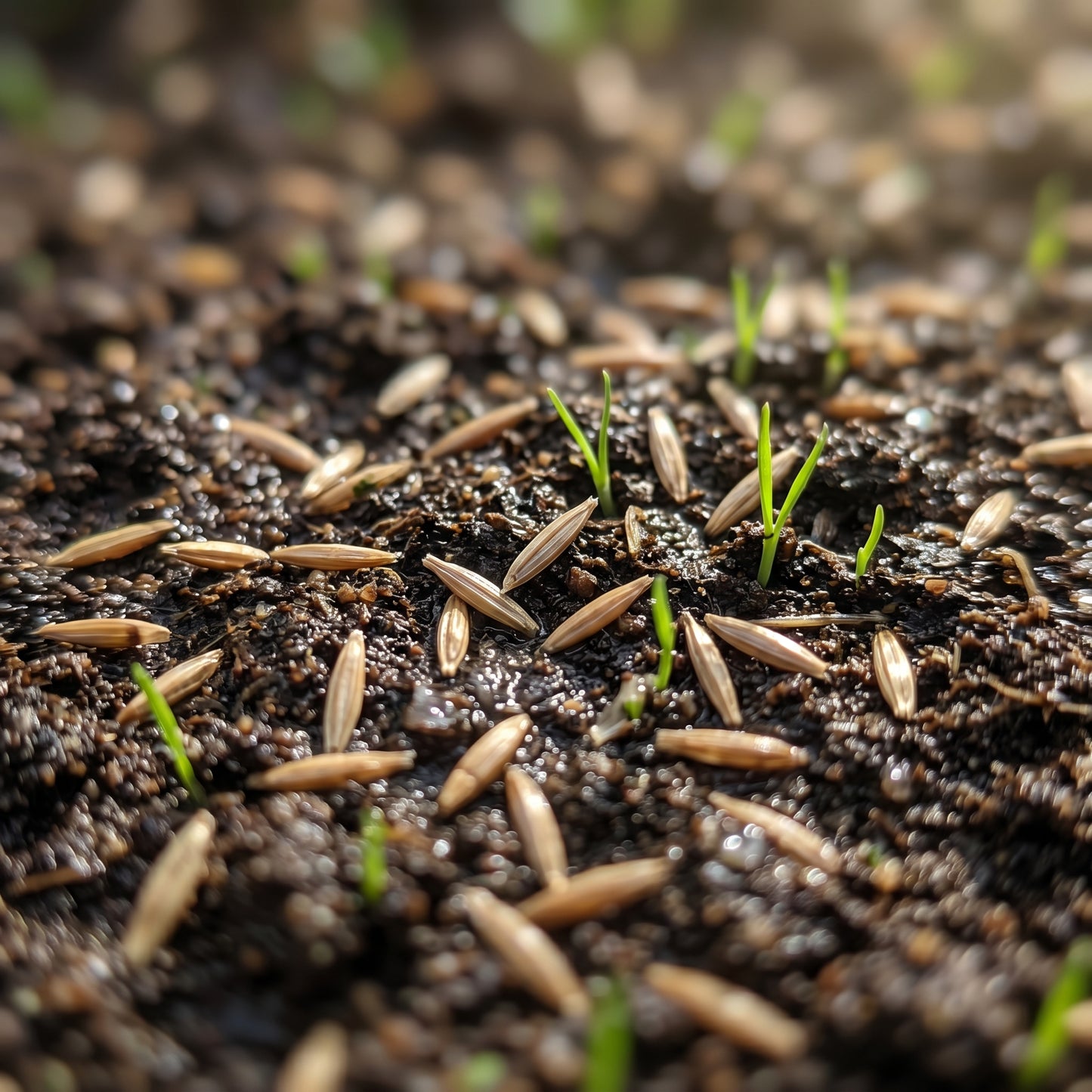
Reed grass seeds grow tall grass plants suitable for landscaping and garden borders. These plants prefer full sunlight and well-drained soil for healthy growth. With proper care, they develop upright structure and dense foliage. Ideal for large areas and decorative use, they require low maintenance and provide consistent coverage.
Regular price
$16.49 USD
Sale price
$16.49 USD
Regular price
Unit price
per
Shipping calculated at checkout.
Couldn't load pickup availability
Question about this product?
We're happy to help.
Sowing Method
Sowing Method
Care Instructions
Care Instructions

Planting Season
Spring

Light Requirement
Full Sun

Plant Height
Tall

Indoor/Outdoor
Outdoor
Planting Information
|
Life Cycle |
Perennial |
|---|---|
|
Plant Characteristics |
Grass |
|
Plant Type |
Lawn Plant |
|
Flavour Profile |
NA |
|
Germination Time |
10–20 days |
|
Fruit Size |
NA |
|
Soil Type |
Loamy soil |
|
Soil pH |
6.0–7.5 |
|
Spacing Between Plants |
60 cm |
|
Watering Needs |
Low |
|
Harvest Time |
90 days |
|
Bloom Season |
Summer |
|
Seeds per Pack |
1250 |
|---|---|
|
Seed Type |
Seeds |
|
Yield Potential |
High |
|
GTIN |
36002199367 |


-
ACHIEVING
4.8 average rating
-
With
95% positive reviews
-
LESS THAN
3% return rate