


Temple Orange (Tangor) Seeds for Planting
Low stock! Only 10 left
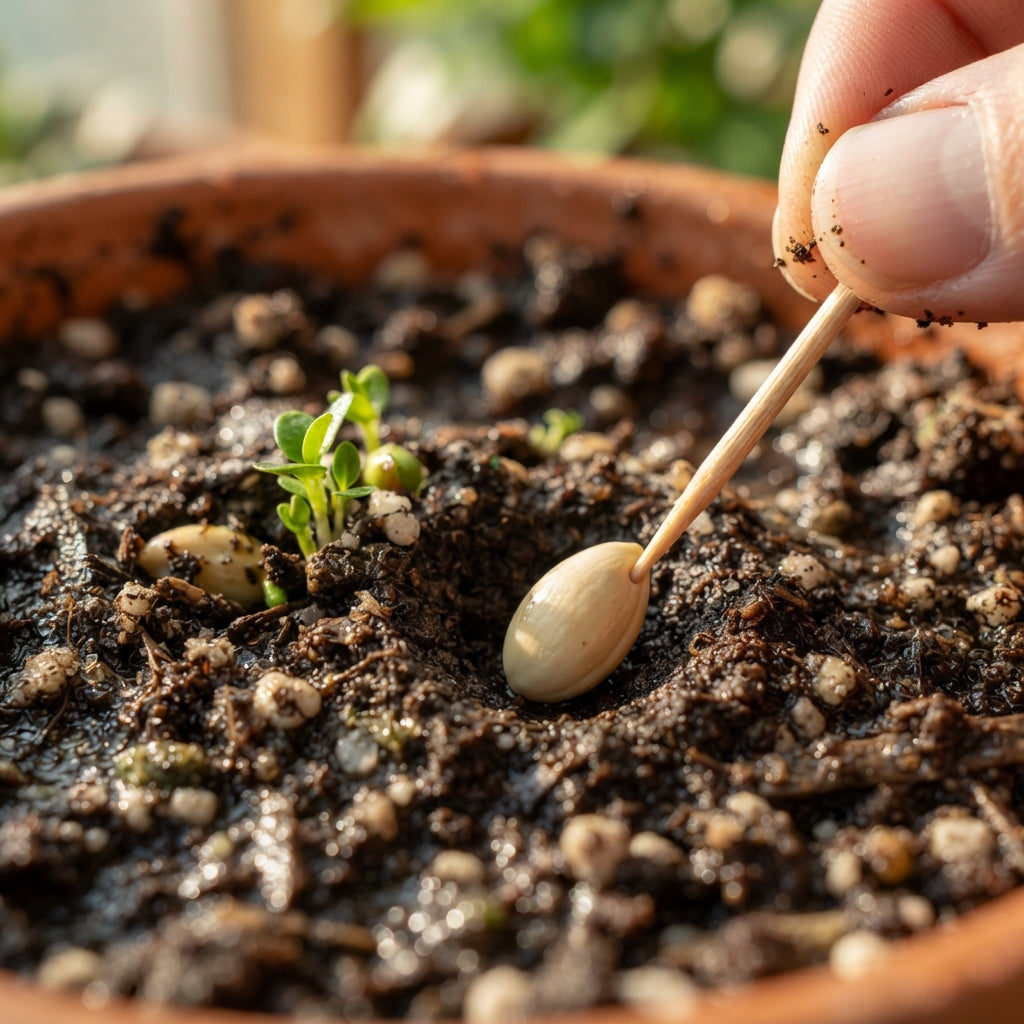
Temple Orange (Tangor) seeds are intended for planting and cultivation. This product is suitable for growing plants from seeds with appropriate soil, light, watering, and seasonal care. Plant growth, appearance, and development can vary depending on variety and growing conditions.
Regular price
$16.99 USD
Sale price
$16.99 USD
Regular price
Unit price
per
Shipping calculated at checkout.
Couldn't load pickup availability
Question about this product?
We're happy to help.
Sowing Method
Sowing Method
Care Instructions
Care Instructions

Planting Season
Spring

Light Requirement
Full Sun

Plant Height
2–6 m

Indoor/Outdoor
Outdoor
Planting Information
|
Life Cycle |
Perennial |
|---|---|
|
Plant Characteristics |
Evergreen citrus tree with glossy leaves |
|
Plant Type |
Citrus Fruit Tree |
|
Flavour Profile |
Citrus flavour varies by variety |
|
Germination Time |
14–45 Days |
|
Fruit Size |
Small to medium citrus fruits |
|
Soil Type |
Well-drained slightly acidic soil |
|
Soil pH |
5.5–7.0 |
|
Spacing Between Plants |
3–5 m |
|
Watering Needs |
Moderate watering |
|
Harvest Time |
2–5 years |
|
Bloom Season |
Spring |
|
Seeds per Pack |
100 |
|---|---|
|
Seed Type |
Open Pollinated |
|
Yield Potential |
Produces citrus fruits according to variety |
|
GTIN |
36002939900821 |


-
ACHIEVING
4.8 average rating
-
With
95% positive reviews
-
LESS THAN
3% return rate