


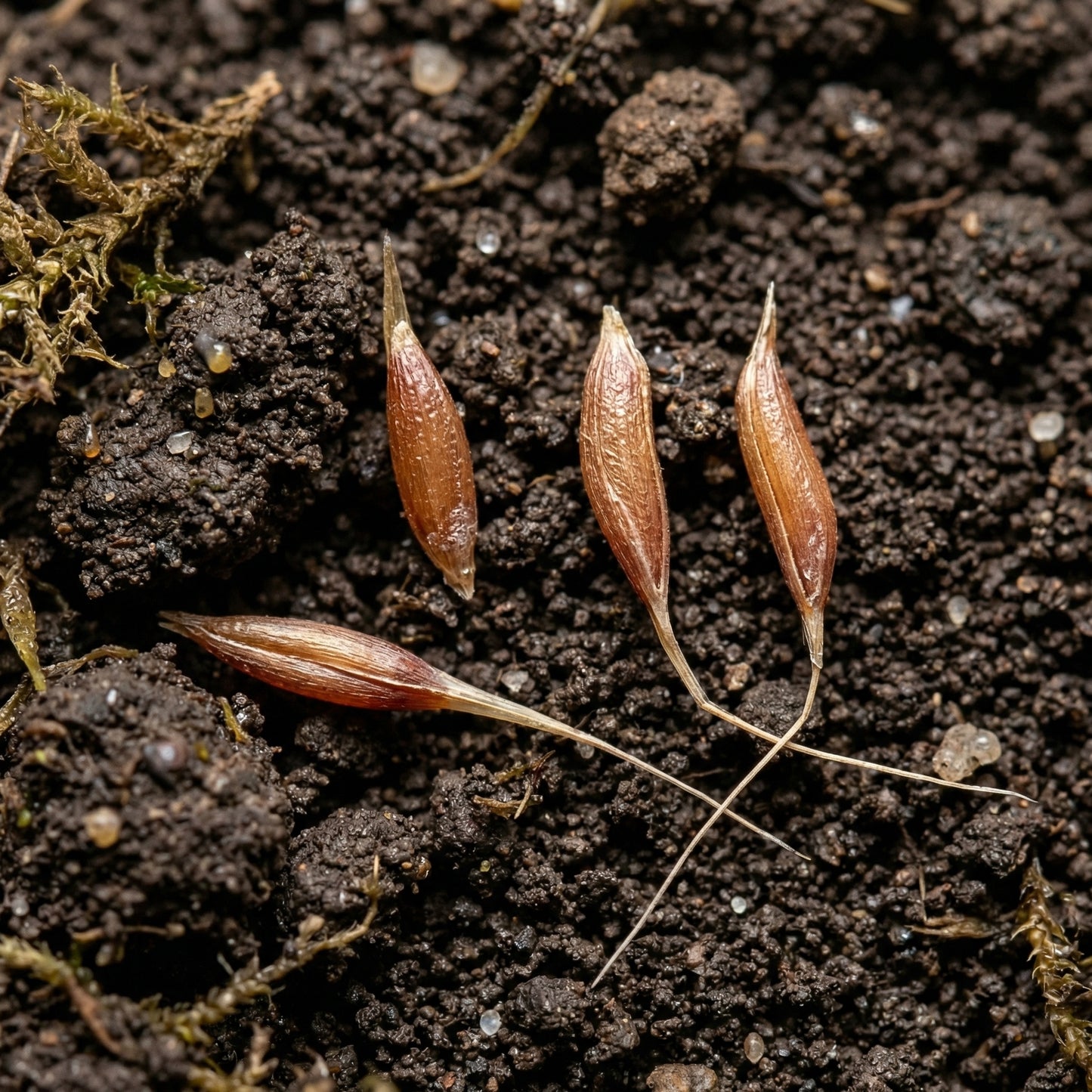
Typha latifolia Cattail Seeds – Common Cattail Aquatic Wetland Plant Seeds
Low stock! Only 10 left
Grow natural wetland beauty with Typha latifolia Cattail Seeds, a hardy aquatic plant known for its distinctive brown cylindrical flower spikes. Commonly used in ponds, wetlands, and water gardens, cattail plants help improve water quality and provide habitat for wildlife. These adaptable perennial plants thrive in moist or shallow water conditions and are ideal for landscaping around ponds and marshy areas. Easy to establish and maintain, cattails bring natural charm and ecological benefits to outdoor aquatic environments.
Regular price
$16.99 USD
Sale price
$16.99 USD
Regular price
Unit price
per
Shipping calculated at checkout.
Couldn't load pickup availability
Question about this product?
We're happy to help.
Sowing Method
Sowing Method
Care Instructions
Care Instructions

Planting Season
Spring Summer

Light Requirement
Full Sun

Plant Height
150–300 cm

Indoor/Outdoor
Outdoor Suitable
Planting Information
|
Life Cycle |
Perennial Plant |
|---|---|
|
Plant Characteristics |
Aquatic Growth |
|
Plant Type |
Aquatic Plant |
|
Flavour Profile |
Not Edible |
|
Germination Time |
10–20 Days |
|
Fruit Size |
Not Applicable |
|
Soil Type |
Wet Soil |
|
Soil pH |
6.0–8.0 |
|
Spacing Between Plants |
60–90 cm |
|
Watering Needs |
High Moisture |
|
Harvest Time |
Not Applicable |
|
Bloom Season |
Summer Season |
|
Seeds per Pack |
100 |
|---|---|
|
Seed Type |
Open Pollinated |
|
Yield Potential |
Dense Growth |
|
GTIN |
36002050132 |


-
ACHIEVING
4.8 average rating
-
With
95% positive reviews
-
LESS THAN
3% return rate